 how-to
7 Steps to Pair Craft Beer With Pizza Like a Pro
Last Updated: October 25, 2026
Quick Summary
To pair craft beer with pizza, match the beer's body and intensity to the pizza's dominant characteristics, whether that's the cheese, sauce, or toppings. Think of pairing as a conversation between two flavors where neither should overpower the other.
- Match beer body to crust weight: fuller-bodied beers for thick, doughy crusts and lighter beers for thin, crisp crusts.
- Lagers and pilsners are the most versatile pizza beers because they're clean, crisp, and don't compete for attention.
- Lower-alcohol beers work better with spicy pizza since alcohol intensifies heat.
- Sour ales cut through rich, fatty pizzas like four-cheese and pepperoni with their acidity.
- Start beer tastings with lighter beers and work toward fuller, heavier ones, taking bites of pizza between samples to cleanse your palate.
Table of Contents
- The Core Method: How to Pair Craft Beer With Pizza
- Best Beer for Pizza by Style
- Beer Pairing for Pepperoni Pizza
- Beer Pairing for Spicy Pizza
- Craft Beer Styles That Work With Pizza
- Common Pairing Mistakes to Avoid
- Serving Temperature, Glassware, and Tasting Order
- Order Your Next Pizza and Beer Pairing at Breckenridge Ale House
- Frequently Asked Questions
The Core Method: How to Pair Craft Beer With Pizza
Pairing craft beer with pizza doesn't require formal training.
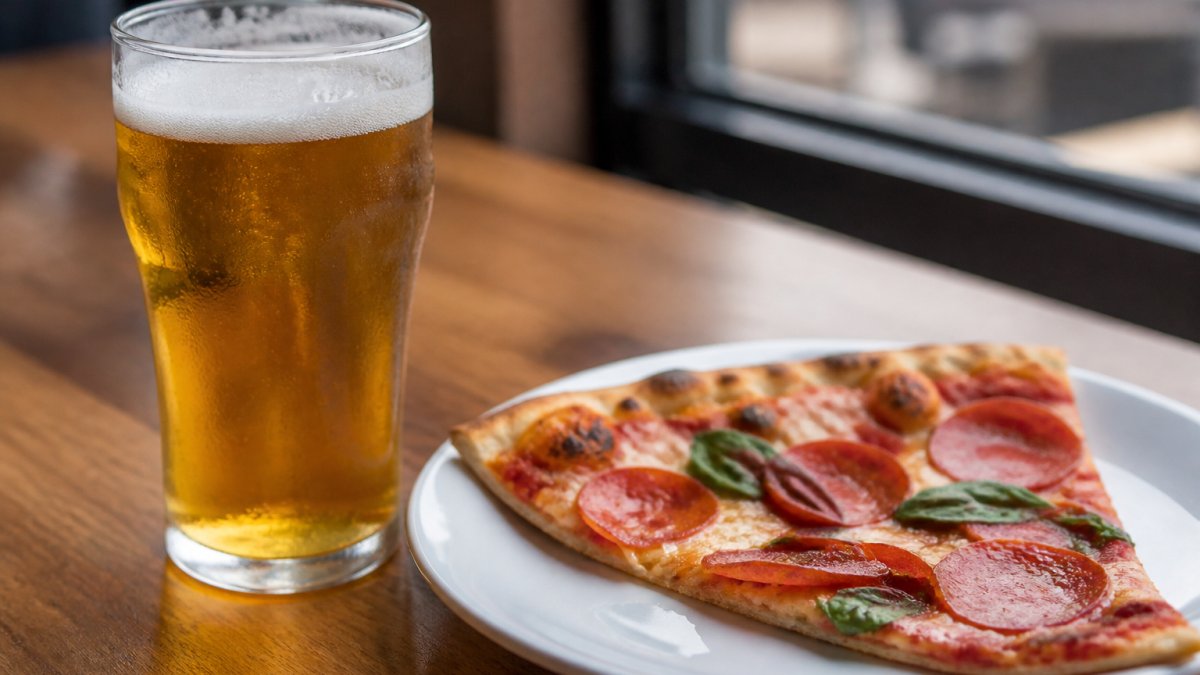
Think of pairing as a conversation between two flavors, neither should overpower the other.
Here's the framework we use:
Step 1: Identify Your Pizza's Dominant Flavor
Step 2: Match Beer Body to Crust Weight
Beer body is how heavy or light a beer feels in your mouth.
Step 3: Balance Malt Sweetness and Sauce Acidity
Tomato sauce is acidic and malt is sweet; the two naturally balance each other.
Step 4: Consider Topping Intensity
Best Beer for Pizza by Style
Light Pizzas and Crisp Beers
Light pizzas, margherita, white sauce, and vegetable-forward options, pair beautifully with crisp, clean beers that don't compete for attention.
A crisp beer cleanses your palate between bites so the pizza shines.
Look for beers with:
- Low to medium body
- Clean, dry finish
- Minimal residual sweetness
Rich Pizzas and Full-Bodied Beers
Rich pizzas with cream sauces, extra cheese, or multiple meats need full-bodied beers that match their intensity.
Full-bodied beers bring:
- Deeper malt character
- More sweetness to balance richness
- Fuller mouthfeel
Beer Pairing for Pepperoni Pizza
Pepperoni is spicy, salty, and fatty, one of the most challenging toppings to pair.
The beer must cool the heat, complement the salt, and cut the fat; too light feels overwhelmed, too heavy feels sluggish.
Best options for pepperoni:
- Lagers and pilsners: Their crisp finish cuts through fat and salt beautifully. The clean profile lets pepperoni shine without competing.
- Czech-style lagers: Slightly more body than standard pilsners. They have enough presence to match pepperoni's intensity while staying refreshing.
- Amber ales: Medium body with a touch of sweetness. The sweetness balances pepperoni's salt, while the body stands up to the topping's richness.
Skip light, delicate beers with pepperoni. They'll taste washed out. Skip overly sweet beers too. Pepperoni needs balance, not more richness.
Beer Pairing for Spicy Pizza
Spicy pizza uses jalapeños, hot sauce, or spicy pepperoni. Heat dominates, so your beer must address it.
Heat needs cool, refreshing relief, and since alcohol intensifies spice, lower-alcohol beers work better, a 4.5% beer beats a 7% one.
Best choices for spicy pizza:
- Light lagers: Low alcohol, crisp finish, and clean flavor. They cool the heat without adding complexity.
- Pilsners: Slightly more flavor than light lagers but still refreshing. The hop bitterness can actually complement spice nicely.
- Wheat beers: Smooth, slightly sweet, and refreshing. They cool heat while adding a subtle flavor dimension.
Avoid high-alcohol beers, stouts, and overly sweet options. They intensify heat and make the experience uncomfortable rather than enjoyable.
Craft Beer Styles That Work With Pizza
Most pizza-and-beer guides stop at lagers, pale ales, and stouts. These styles dominate tap lists, and each has a specific job against cheese, tomato, fat, and spice.
Lagers and Pilsners
Lagers and pilsners are the most versatile pizza beers, working with almost every style because they're clean, crisp, and don't compete for attention. At Breckenridge Ale House, explore our drinks to see what's on rotation.
Czech-style lagers have more body and malt character than standard lagers, helles lagers are pale and crisp, and dunkels are darker but still refreshing. All three pair exceptionally well with pizza.
Why lagers work so well:
- Clean fermentation profile
- Crisp, dry finish
- Low to medium body
Pilsners are the same family but hopped more heavily. The hop bitterness adds complexity without overpowering pizza.
Pale Ales and Amber Ales
Pale ales and amber ales bring more flavor and body than lagers, working best with bold toppings or rich sauces.
Pale ales have bright hop character and medium body; amber ales have more malt sweetness.
Why these ales pair well:
- Medium body matches medium-to-rich pizzas
- Hop bitterness cuts through fat and richness
- Malt sweetness balances acidic tomato sauce
Avoid pairing pale or amber ales with very light pizzas. They're too heavy. Reserve them for pizzas with substance.
Saisons and Farmhouse Ales
Saisons are the most underrated pizza beer: dry, highly carbonated, and often peppery and earthy. The carbonation scrubs fat off your palate, and the dry finish keeps you from feeling weighed down.
Saisons shine with:
- Margherita and other fresh-tomato pizzas, where the earthy yeast echoes the basil
- Vegetable pizzas, especially those with roasted peppers, mushrooms, or zucchini
- White pizzas with ricotta or goat cheese, where the beer's tartness cuts the dairy richness
Treat saison like a white wine substitute: if you'd reach for a crisp Sauvignon Blanc with a pizza, a saison is usually the closer beer match.
Wheat Beers
Wheat beers, hefeweizens, witbiers, and American wheat ales, bring soft body, low bitterness, and gentle sweetness, making them a natural fit for spicy pizza: the low hop bitterness doesn't add to the burn and the smooth texture coats the palate.
Witbiers, with their orange-peel and coriander notes, are especially good with:
- Spicy sausage or jalapeño pizzas
- White pizzas with lemon or herbs
- Vegetable pizzas where a little citrus lifts the flavors
Hefeweizens, with banana and clove notes, work better with heartier pizzas, think ham, mushroom, or a four-cheese pie. The yeast character adds a flavor dimension without adding heaviness.
Sour Ales
Sour ales, Berliner weisse, gose, and fruited American sours, are the best tool for cutting through rich, fatty pizza. The acidity works like a squeeze of lemon, resetting your palate between bites.
Sours pair well with:
- Four-cheese and extra-cheese pizzas, where acidity cuts the fat
- Barbecue chicken or pulled-pork pizzas, where tartness balances sweet sauce
- Pepperoni, where the sourness contrasts the salt and fat
A warning: heavily fruited sours can clash with tomato sauce. Keep the fruit subtle, think raspberry gose rather than a thick fruit puree, and the pairing holds together.
Porters and Stouts
Stouts are the wildcard. Most people assume dark beer and pizza don't work together. They're wrong.
A stout with roasted, chocolate-forward notes works beautifully with white sauce pizzas or mushroom pizzas; the roasted character complements earthy flavors.
Porters are the gentler sibling, same roasted character, less intensity, more flexible. Try a porter with:
- Mushroom and truffle pizzas
- White pizzas with caramelized onions
- Sausage pizzas where the malt sweetness balances the fennel and spice
Stouts don't work with:
- Very light pizzas
- Spicy pizzas (too heavy, intensifies heat)
- Acidic tomato-sauce pizzas (roasted notes clash with acidity)
But try a stout with a white pizza or a pizza loaded with vegetables.
Specialty and Barrel-Aged Styles
Specialty styles, barrel-aged stouts, Belgian dubbels, and strong ales, are best saved for the end of the meal or a single slice.
When you do pair them, match them to the richest pizza on the menu: a meat lovers, a truffle mushroom, or a four-cheese. The intensity-on-intensity approach works because neither side gets lost.
Each beer style brings different strengths to pizza pairing, from crisp lagers to bold sours.
| Beer Style | Best Pizza Pairing | Key Strength |
|---|---|---|
| Lagers and Pilsners | Almost every style | Clean, crisp, don't compete |
| Pale Ales and Amber Ales | Bold toppings, rich sauces | Medium body, cuts fat |
| Saisons and Farmhouse Ales | Margherita, vegetable, white | Dry, carbonated, earthy |
| Wheat Beers | Spicy pizza, white pizza | Soft body, low bitterness |
| Sour Ales | Four-cheese, fatty pizzas | Acidity cuts richness |
| Porters and Stouts | Mushroom, white sauce pizza | Roasted, chocolate notes |
| Specialty and Barrel-Aged | Meat lovers, truffle pizza | High intensity, best in small pours |
Common Pairing Mistakes to Avoid
Most pairing advice tells you what to order, not what to do when the pairing in front of you isn't working. Here's a short troubleshooting framework for when a beer tastes too bitter, too heavy, or too sweet against the pizza. Adjusting these flavor dynamics requires a similar palate sensitivity to the nuances involved in pairing chocolate with beer, a process that relies on balancing intensity rather than simply matching profiles.
The Three Most Common Mistakes
Choosing beer based on personal preference alone. Your favorite beer might not pair well with your pizza.
Matching intensity wrong. A delicate beer with a loaded pizza feels lost; a heavy beer with a light pizza feels clumsy.
Ignoring sauce type. Many people focus only on toppings and forget the sauce.
Troubleshooting: When the Beer Tastes Too Bitter
Hop bitterness clashes with tomato acidity and can make pizza taste metallic. If your beer tastes sharply bitter against the slice:
- Add fat. Take a bite of the cheesiest part of the pizza. Fat coats the palate and softens hop bitterness.
- Switch to a maltier beer. An amber ale, porter, or dunkel has more malt sweetness to balance the hops.
- Check the temperature. A beer served too cold mutes malt and pushes bitterness forward. Let it warm 5-10°F and taste again.
Troubleshooting: When the Beer Tastes Too Heavy
A full-bodied beer against a light pizza feels like a second meal. If the beer overwhelms the slice:
- Move to a crisp lager or pilsner. The clean finish resets the palate between bites.
- Try a saison or wheat beer. Both have lighter body but more flavor than a standard lager, so the pizza doesn't disappear.
- Drink a smaller pour. A 5-ounce glass of a heavy beer alongside a light pizza works better than a full pint.
Troubleshooting: When the Beer Tastes Too Sweet
Sweet beers, fruit beers, milk stouts, some amber ales, can make tomato sauce taste sour and cheese taste cloying. If the pairing feels syrupy:
- Add acid. A sour ale or a squeeze of lemon on the pizza brings the pairing back into balance.
- Switch to a drier beer. A dry saison, a German pilsner, or a brut IPA has the flavor without the residual sugar.
- Pair with a white pizza instead. Sweet beers work better against ricotta and mozzarella than against acidic tomato sauce.
Troubleshooting: When the Pizza Tastes Too Spicy
Alcohol intensifies capsaicin, the compound that makes chili peppers hot. If the pizza is burning and the beer makes it worse:
- Lower the alcohol. A 4.5% beer will feel better than a 7% beer when heat is involved.
- Choose a wheat beer or light lager. Both cool the palate without adding bitterness.
- Avoid hoppy beers. Hop bitterness amplifies the perception of heat.
A Quick Reset Rule
When a pairing isn't working, don't finish the glass out of obligation. Take a bite of plain crust, the most neutral palate cleanser on the table, then taste the beer again. If it still clashes, switch to a lager or pilsner, the closest thing to a universal reset in beer pairing.
Serving Temperature, Glassware, and Tasting Order
Temperature matters more than most people realize: too cold mutes flavor, too warm makes it taste flat.
For pizza pairing, serve:
- Light lagers and pilsners: 45-50°F. Cold enough to be refreshing, warm enough to taste clean.
- Pale ales and amber ales: 50-55°F. Slightly warmer to let hop character and malt sweetness come through.
- Stouts: 55-60°F. Warmer still to let roasted, chocolate notes develop.
Glassware affects how you taste.
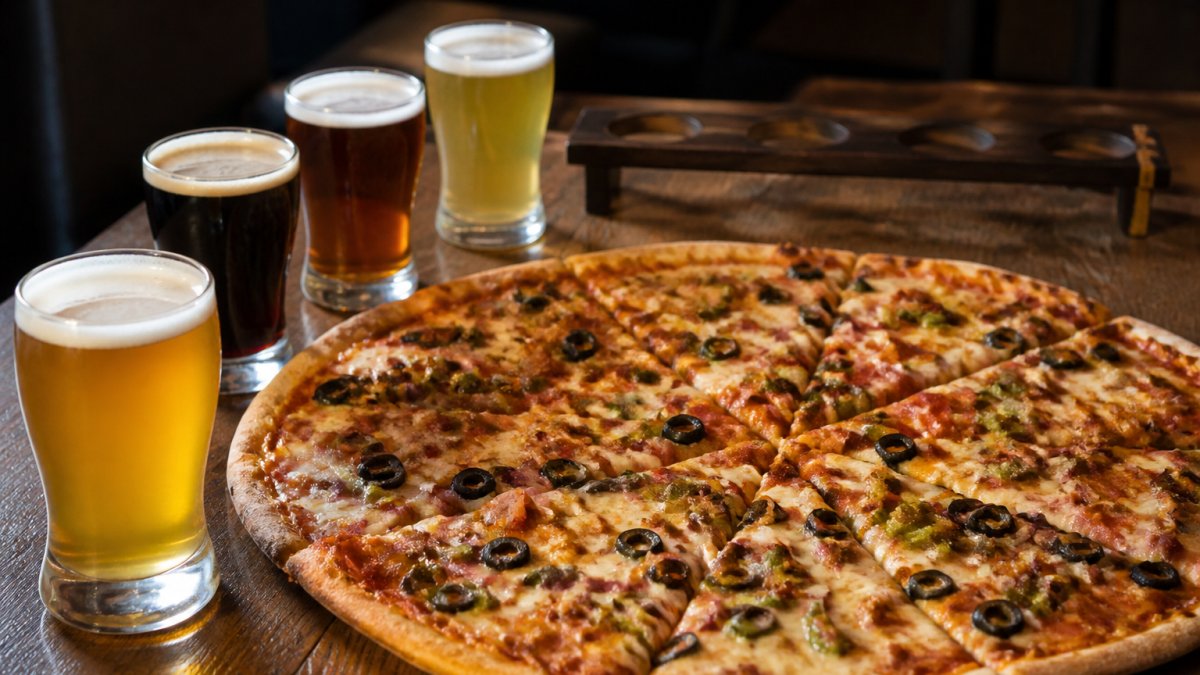
Tasting order matters when sampling multiple beers: start with lighter beers and work toward fuller, heavier ones.
Between beers, take a bite of pizza to cleanse your palate for the next one.
Order Your Next Pizza and Beer Pairing at Breckenridge Ale House
Learning how to pair craft beer with pizza is one thing. Trying it out is where the real learning happens.
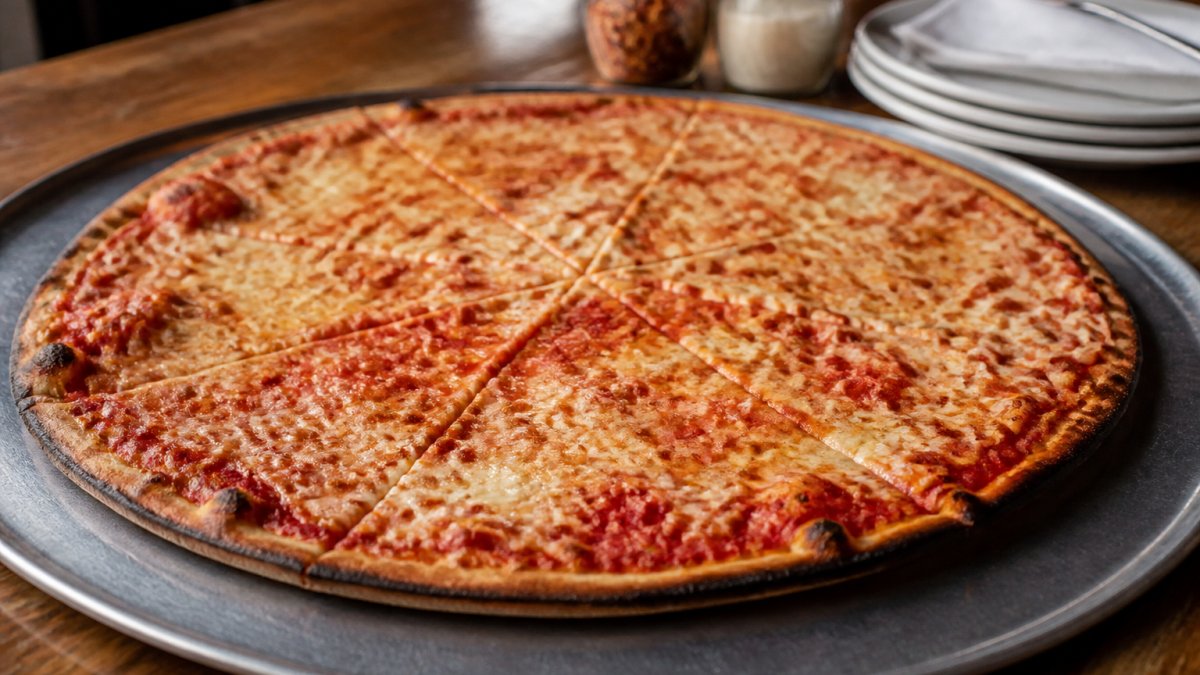
We've built our menu around this principle. Our menu features 24-inch Jersey-style thin-crust pizzas designed to pair with our rotating draft lineup.
Check out happy hour specials when you're ready to experiment.
Frequently Asked Questions
What type of beer is good with pizza?
The best beer for pizza depends on your pizza's dominant flavor and crust style. Crisp, light beers like pilsners and lagers pair well with fresh, vegetable-heavy pizzas and thin crusts. Fuller-bodied beers, pale ales, amber ales, and stouts, complement rich, meaty pizzas with thicker crusts. A simple rule: match the beer's body weight to the pizza's heaviness, and choose beer styles whose malt sweetness balances the tomato sauce's acidity.
What craft beer pairs best with pepperoni pizza?
Pepperoni's spicy, salty, fatty character pairs well with beers that have enough body to stand up to it without being overpowered. Czech-style lagers offer clean, malty sweetness that brings out pepperoni's savory notes. Pale ales and amber ales work too, their hop character cuts through the richness. Avoid ultra-hoppy IPAs, which can clash with pepperoni's intensity.
What beer should I pair with spicy pizza?
Spicy toppings, jalapeños, hot peppers, spicy sausage, call for beers with enough sweetness and body to cool the heat on your palate. Malty amber ales are ideal because their sweetness balances capsaicin burn. Avoid highly bitter beers; bitterness amplifies spice heat. Serve these beers cold to maximize the cooling effect.
Does IPA go well with pizza?
IPAs can work with pizza, but only certain styles and toppings. A West Coast-style IPA's bitterness and citrus notes pair well with vegetable-heavy pizzas or fresh Margherita. However, IPAs clash with pepperoni, spicy toppings, and cheese-heavy pizzas because their bitterness amplifies those flavors' intensity. If you enjoy IPAs, choose one with lower bitterness (40-50 IBUs) and pair it with lighter pizza styles.
The real skill in pairing isn't memorizing rules. It's understanding how flavors interact and trusting your own palate. Every person tastes things slightly differently. What works for someone else might not work for you, and that's fine. The framework gives you a starting point. Your experience teaches you what you actually enjoy.